

Radio and Podcasts
Listen · Coming soon

Bonum Consilium brings together residential development, investment structuring and local execution under one accountable organisation.
Why I built Bonum Consilium
I am a real estate and investment funds lawyer by training. For fifteen years I have advised developers and investors, structured investment vehicles and worked across European legal and regulatory environments. In those fifteen years I carried two scars.
The first came from the investors. I watched people place everything they had saved into a single project, and I watched what happened to them when that one project did not deliver what they had planned. I also sat across from investors who had been burned in a different way, drawn into unregulated, unsupervised investments, where no independent body verified the offering, no one stood between their money and the promoter, and when things went wrong there was no structure to protect them. Not because anyone necessarily set out to harm them, but because nothing in the framework made harm difficult.
The second scar came from the projects themselves. I saw good developments struggle, and sometimes fail, not because the asset was wrong but because of bureaucracy and disorder: slow processes, endless paperwork, layers of intermediaries. Every layer made the project more expensive, demanded more people, and pulled focus away from the only thing that actually creates value, planning well and building well.
Bonum Consilium is where I applied every conclusion those fifteen years taught me, for the investor and for the developer alike.
We placed ourselves, deliberately, inside a regulatory framework built to verify and to protect, with independent, supervised entities standing between the investor and the offering. We lowered the entry point so that participating in a development no longer demands the capital of an entire apartment. And we cap what any single investor can commit to one opportunity, so that even in the worst case, the most anyone can lose is the equivalent of a laptop, not a lifetime of savings.
We built diversification into the model itself. Spreading capital across several projects instead of concentrating it in one is the closest thing investing has to a universal rule, it increases the chance of success, it softens the impact when one asset underperforms, and it is the advice you will hear from almost every senior investment manager in the world. That is why our strategies combine multiple developments within one plan. And because the entry ticket is small, the same amount that once fit a single investment can now be spread across several, with us, or alongside others who work in a similar way.
We invest only in ourselves. Unlike many platforms, we do not raise money and hand it to someone else's project, and we do not place investors into developments we do not control. Every opportunity is our project: our initiative, our planning, our construction, under our full control, and always with our own equity committed alongside the investors. And we choose those projects by one simple test: we only build in places where we would want to keep the asset for ourselves, or live in it ourselves. Attractive assets in strong, central locations that will hold their value, not speculative bets, however high the promised return. That is not what interests us.
Our economics follow the same logic. We do not charge the recurring management fees that funds collect whether or not they perform. We earn from the success of the projects themselves, from the sale of the completed apartments, and in income-producing assets, from the income the asset actually generates. The professionals who work with us, contractors, project managers and the rest, are paid against delivered results, not for time. No one around the table earns without creating value first. It makes every decision more disciplined, more precise and more professional, because everyone's income depends on getting it right.
Then we rebuilt the process itself, digitally. Tokenized infrastructure strips away the paperwork, the intermediaries and the friction that make traditional real estate investment slow and expensive, and replaces them with a process that is simple, verified and transparent from the first click to the final distribution. It also opens doors that simply did not exist before: an investor can now enter a defined development strategy in minutes, from anywhere, and investors who hold digital assets can finally gain exposure to real estate, balancing a speculative portfolio with a strategy backed by real, identifiable buildings.
And above all of it sits one ambition: to make the best product in our field. If it is the apartments we sell, they should be the finest in their class in that market. If it is the tokens we issue, they should be the most rigorously built and supervised in their category, created with the best professionals we can find, to deliver the best result we can deliver.
I did not find the structure I was looking for. So I built it.
Why I built Bonum Consilium
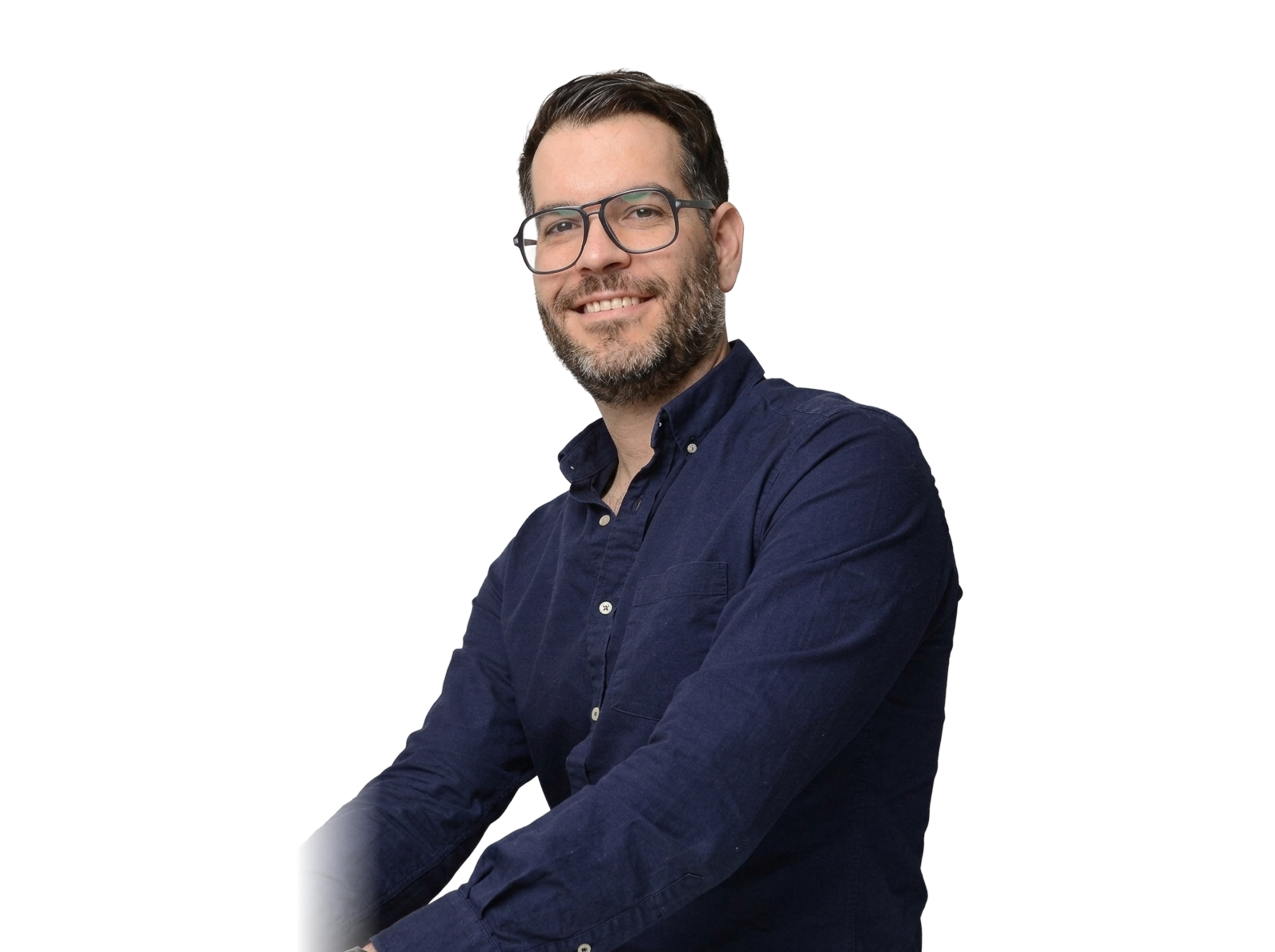 Guy KleinboimFounder, Bonum Consilium
I am a real estate and investment funds lawyer by training. For fifteen years I have advised developers and investors, structured investment vehicles and worked across European legal and regulatory environments. In those fifteen years I carried two scars.
Fifteen years. Two scars.
The first came from the investors. I watched people place everything they had saved into a single project, and I watched what happened to them when that one project did not deliver what they had planned. I also sat across from investors who had been burned in a different way, drawn into unregulated, unsupervised investments, where no independent body verified the offering, no one stood between their money and the promoter, and when things went wrong there was no structure to protect them. Not because anyone necessarily set out to harm them, but because nothing in the framework made harm difficult.
The second scar came from the projects themselves. I saw good developments struggle, and sometimes fail, not because the asset was wrong but because of bureaucracy and disorder: slow processes, endless paperwork, layers of intermediaries. Every layer made the project more expensive, demanded more people, and pulled focus away from the only thing that actually creates value, planning well and building well.
Bonum Consilium is where I applied every conclusion those fifteen years taught me, for the investor and for the developer alike.
We placed ourselves, deliberately, inside a regulatory framework built to verify and to protect, with independent, supervised entities standing between the investor and the offering. We lowered the entry point so that participating in a development no longer demands the capital of an entire apartment. And we cap what any single investor can commit to one opportunity, so that even in the worst case, the most anyone can lose is the equivalent of a laptop, not a lifetime of savings.
The equivalent of a laptop, not a lifetime of savings.
We built diversification into the model itself. Spreading capital across several projects instead of concentrating it in one is the closest thing investing has to a universal rule, it increases the chance of success, it softens the impact when one asset underperforms, and it is the advice you will hear from almost every senior investment manager in the world. That is why our strategies combine multiple developments within one plan. And because the entry ticket is small, the same amount that once fit a single investment can now be spread across several, with us, or alongside others who work in a similar way.
We invest only in ourselves. Unlike many platforms, we do not raise money and hand it to someone else's project, and we do not place investors into developments we do not control. Every opportunity is our project: our initiative, our planning, our construction, under our full control, and always with our own equity committed alongside the investors. And we choose those projects by one simple test: we only build in places where we would want to keep the asset for ourselves, or live in it ourselves. Attractive assets in strong, central locations that will hold their value, not speculative bets, however high the promised return. That is not what interests us.
We invest only in ourselves.
Our economics follow the same logic. We do not charge the recurring management fees that funds collect whether or not they perform. We earn from the success of the projects themselves, from the sale of the completed apartments, and in income-producing assets, from the income the asset actually generates. The professionals who work with us, contractors, project managers and the rest, are paid against delivered results, not for time. No one around the table earns without creating value first. It makes every decision more disciplined, more precise and more professional, because everyone's income depends on getting it right.
Then we rebuilt the process itself, digitally. Tokenized infrastructure strips away the paperwork, the intermediaries and the friction that make traditional real estate investment slow and expensive, and replaces them with a process that is simple, verified and transparent from the first click to the final distribution. It also opens doors that simply did not exist before: an investor can now enter a defined development strategy in minutes, from anywhere, and investors who hold digital assets can finally gain exposure to real estate, balancing a speculative portfolio with a strategy backed by real, identifiable buildings.
And above all of it sits one ambition: to make the best product in our field. If it is the apartments we sell, they should be the finest in their class in that market. If it is the tokens we issue, they should be the most rigorously built and supervised in their category, created with the best professionals we can find, to deliver the best result we can deliver.
I did not find the structure I was looking for. So I built it.
When investors join us, they invest alongside us, not instead of us.
How we work
Every project follows the same discipline:
Rigorous selection of the location and asset.
A documented business plan.
Legal and financial structuring before any capital is raised.
Bonum's own capital committed and the local professional team appointed.
Development and apartment sales managed by local teams.
Reporting and distribution according to the official documents and actual results.
How we make money
Bonum Consilium creates value through the development and sale of residential projects — our own projects, under our full control, always with our own equity committed. We do not charge the recurring management fees that funds collect whether or not they perform. Our revenue comes from the success of the projects themselves: development margins, apartment sales and, in income-producing assets, the income the asset actually generates — the same underlying activity intended to generate returns for the related token investors.
Earned from
Development margins
Value created by developing our own residential projects, under our full control, with our own equity committed.
Earned from
Apartment sales
The sale of the completed apartments in the projects we build.
Earned from
Income from income-producing assets
In income-producing assets, the income the asset actually generates.
Not from
Recurring management fees
We do not charge the recurring management fees that funds collect whether or not they perform.
The professionals who work with us — contractors, project managers and the rest — are paid against delivered results, not for time. No one around the table earns without creating value first.
The precise order of payments, investor rights, profit participation and sponsor distributions is defined in the official documents of each opportunity.
Experience, media and recognition
Listen · Coming soon
Read · Coming soon
Watch · Coming soon
Recognition of Guy Kleinboim or his law firm — not of Bonum Consilium.